
The beauty industry is undergoing a radical transformation, driven by technology and, in particular, by artificial intelligence (AI), a key tool for personalizing the experience of care and aesthetic enhancement.
Based on our research with Gen Z and Millennial consumers, we have identified trends that open up new opportunities for brands and innovation within the sector.
Two beauty languages: care and enhancement
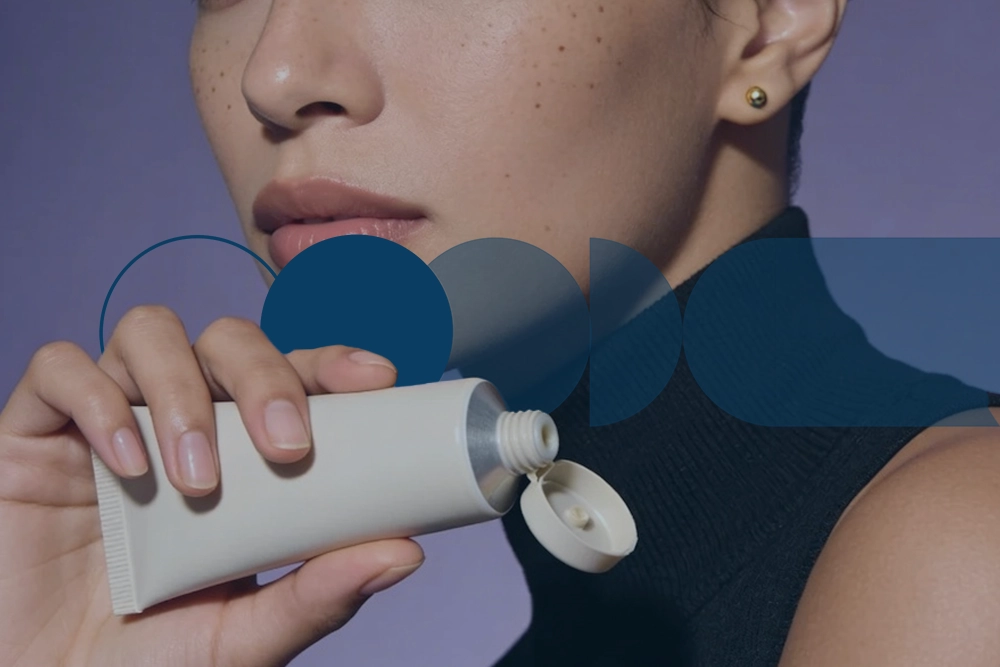
Beauty is expressed through two complementary languages: care and enhancement, between which women move depending on their emotional state or the social occasion. Skincare, haircare and body care are linked to wellbeing, while enhancement focuses on makeup and shape, emphasizing personal essence and showcasing the best version of oneself in a more playful and experimental way.
The screen as the new mirror
Social media, tutorials and influencers have become the main beauty advisors, shaping desires and inspiring and validating products, routines and brands. The physical store is no longer the starting point; it now plays a role of sensory confirmation, allowing consumers to test shades and textures. The beauty journey begins online, but the experience is completed in front of the mirror.
AI trends in beauty industry: a future ally
Women view artificial intelligence with a mix of curiosity and anticipation, seeing it as a potential ally that could help them choose better products and optimize their routines. However, current AI tools do not yet deliver a fully satisfying experience, particularly when it comes to personalization. Significant progress is still needed to make these tools more intuitive and to provide truly personalized solutions.
- AI-based diagnosis
- Expectations are clear: a real analysis of skin, facial features and hair, not based solely on an image, but also taking into account habits, lifestyle and personal preferences. This diagnosis should be assessed using clear and comparable criteria (benchmarked against users of similar age, skin type or lifestyle) and should offer easy-to-understand explanations of strengths, needs and areas for improvement.
- Personalized beauty routines
- Women are not just looking for product recommendations; they want intelligent, personalized guidance that simplifies their routines. This includes clear, step-by-step actions with recommended products for each stage, adaptable to available time, time of day or season. They also expect AI to go further by offering realistic previews of makeup or hairstyles applied to their own face.
- Product and brand validation
- Product discovery is only part of the equation. Validation is what truly drives decision-making. AI should help consumers validate the products they already use and suggest more suitable alternatives based on their needs. Filtering products by ingredients, skin or hair type, budget, texture and more, as well as providing clear visual comparisons between products, would enable more confident choices. The ability to purchase directly from the platform will also be a key part of the shopping experience.
The future is now: AI trends beauty industry
Artificial intelligence has the potential to completely transform the beauty landscape, delivering more personalized, educational and effective experiences. As women become more familiar with these tools and as genuinely useful and tailored solutions emerge, AI will integrate more naturally into purchase decisions and self-care routines. AI in beauty is not a distant future, but a present opportunity, and the brands that learn how to integrate this technology effectively will be one step ahead in the evolution of the beauty market.